£37,500
- Focused essentials
- Practical finishes
Estimates derived from UK trade benchmark data and regional labour indices, updated May 2026. Methodology →
Renovation by Property Type in North East England is often among the more affordable in Great Britain for like-for-like work. Our UK guide supplies the structure; this page shows what that usually means on the ground here.
In North East England, typical rates are frequently among the most affordable in Great Britain. For the full UK-wide baseline, compare with Renovation Cost by Property Type UK.
Pick the path that fits where you are — running early numbers, or pressure-testing a quote you've already got.
Three planning tiers for renovation by property type in North East England, with scope and a representative figure for each. Run your own numbers in the calculator for a tailored range.
£37,500
£66,000
£128,500
| Item | Cost Range |
|---|---|
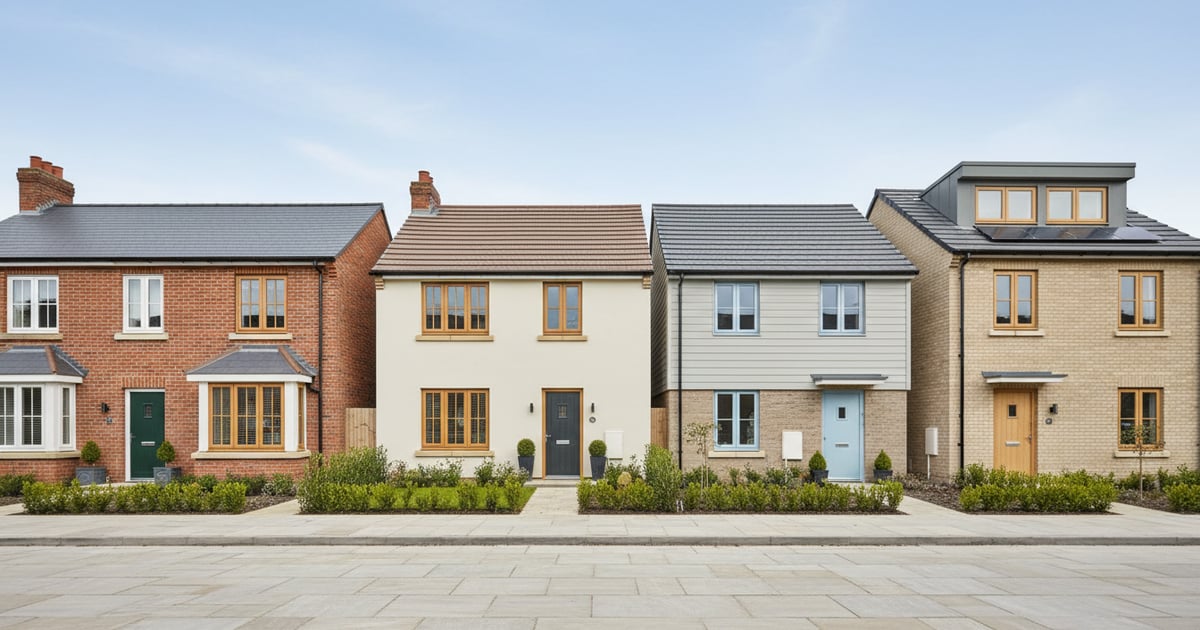
| 3-bed house renovation | £28,000 – £84,500 |
| 4-bed house renovation | £42,500 – £131,500 |
| Terraced house renovation | £23,500 – £80,000 |
| Semi-detached house renovation | £28,000 – £94,000 |
| Bungalow renovation | £26,500 – £103,500 |
Indicative range: £450–£1,700 per m².
Three quick inputs and we'll email you an indicative range. Run the full calculator for a postcode-adjusted estimate.
Use this checklist to spot missing scope before you sign — each item names what should be priced and what to ask for if it isn't.
Pre-1900 properties: lath-and-plaster ceilings (£25-£45/m² to replace, NOT patch repair); single-skin solid walls (no cavity insulation possible without IWI); Victorian roof timbers may need replacement. 1960s-80s: timber-framed flat roofs commonly fail; steel-framed houses (BISF) need specialist treatment.
Fair UK range: Pre-1900 adds £30-£80/m² over standard for structural era issues; 1960s-80s £20-£40/m².
Ask: What era-specific structural issues are you allowing for, and is the budget separate from cosmetic renovation?
UK properties built 1900-1980 commonly contain asbestos in: artex ceilings, floor tiles (vinyl + bitumen backing), pipe lagging, soffits, eaves, garage roofs. Removal requires HSE-licensed contractors. Survey is mandatory before renovation work.
Fair UK range: £300-£700 for management survey; £1,200-£4,000 for licensed removal of confirmed asbestos.
Ask: Have you allowed for asbestos survey before work begins, and is licensed removal contingency in the budget?
Pre-1940 properties often have: original sash windows (£800-£1,800 each to refurbish vs. £1,500-£3,000 to replace with timber heritage; uPVC saves money but kills period character and resale value), original tile floors (specialist cleaning vs. removal), cornicing, panelling. Decision matters for value.
Fair UK range: Sash window restoration £800-£1,800 each; original floor restoration £40-£90/m².
Ask: What's the strategy on period features — restore (preserves value) or replace with modern (reduces character but cheaper)?
Pre-1960: rubber-insulated wiring (mandatory full rewire for safety); galvanised steel water pipes (corrode internally, need replacing); often single-glazed throughout. 1960s-1980s: aluminium wiring sometimes (specialist replacement), Twin-and-Earth cables likely fine if 1980s. Modern: usually OK but 80s/90s wiring may need consumer unit upgrade.
Fair UK range: Pre-1960 properties: full services rewire/replumb £15k-£25k. Post-1990: usually £4k-£8k upgrade.
Ask: What's the wiring/plumbing condition for this property era, and is full replacement included?
Renovation work triggers requirements to bring elements up to current standards: any wall opened up needs insulation upgrade to Part L; new windows need trickle vents (Part F); replaced boilers need condensing/efficiency standards. Older properties trigger more compliance work.
Fair UK range: £3,000-£15,000 for Part L compliance work depending on property age and renovation scope.
Ask: What Part L compliance upgrades are triggered by this renovation, and are they costed in?
Want this run on your actual Renovation by Property Type quote? Upload it and our AI Quote Checker flags missing line items, overcharges and the questions worth asking.
UK-specific signals — each red flag explains why it matters and the question that surfaces the truth.
Why it matters: Victorian terraces cost 25-30% more to renovate than 1960s semis for the same scope due to: lath-and-plaster ceilings, single-skin walls, period sash windows, asbestos likelihood, services age. A contractor quoting the same rate for both is either inexperienced or planning extras.
Ask: Have you accounted for the era-specific cost premium of this property, and what's the breakdown?
Why it matters: 1900-1980 UK properties commonly contain asbestos. Survey before work is HSE-mandated. Removal costs £1,200-£4,000 and adds 1-2 weeks to programme. Skipping the survey means discovery mid-job — programme delay + cost shock.
Ask: Have you allowed for asbestos survey + handling contingency on this pre-1980 property?
Why it matters: Original sash windows, cornicing, fireplaces, and floor tiles add value to period properties. Stripping them out for modern uPVC and plain ceilings can reduce property value by 5-15%. Reputable contractors discuss this trade-off; cowboys just quote modern replacements.
Ask: What's the value impact of removing/replacing original period features, and have estate agents commented?
Why it matters: Renovation work triggers various Part L (energy) compliance upgrades — opening walls means insulation upgrade; replacing windows means BFRC ratings + trickle vents. A contractor unaware of these will fail Building Control sign-off.
Ask: What Part L compliance work is triggered by this renovation scope, and is it costed in?
Why it matters: Listed buildings (Grade II, II*, I) need Listed Building Consent for ANY external alteration AND most internal alterations. Working without consent is a criminal offence (fines + restoration order). Reputable contractors check listing status BEFORE quoting.
Ask: Is this property listed? If so, have we factored Listed Building Consent process into programme and budget?
Why it matters: Lath-and-plaster ceilings (Victorian/Edwardian) need full replacement, not patch repair, when extensively damaged. Cost is 3x patch repair. A single 'plastering' rate ignores this — and you end up with patches that crack within 12 months.
Ask: What's the plan for lath-and-plaster ceilings — patch repair or full replacement, and what's the cost difference?
Why it matters: Standard 10-15% contingency may be enough for a 1980s house. Pre-1900 properties typically need 18-25% contingency due to discovery rate. A contractor using standard contingency on Victorian work will overrun.
Ask: What contingency are you recommending for this property era, and what unforeseens are most likely?
Spot a couple of these on your Renovation by Property Type quote? Upload it for a full red-flag scan and fair-rate comparison.
A simple framework, a verbatim script you can paste into an email or text, and the topic-specific levers that move the price.
I've had three quotes for renovating this [Victorian / Edwardian / 1960s] property. Yours is competitive overall, but the structural line is £X above the median I've received from two other FMB-registered contractors with similar-era experience, and the asbestos contingency is missing entirely. The other quotes specify [comparable scope] including asbestos survey + £3k handling contingency. Can you walk me through what's in your structural pricing for this era, and confirm asbestos and Part L compliance are included?
Want to know which line items on your Renovation by Property Type quote are above market before you negotiate? Upload it for a fair-rate comparison.
Vet on competence, insurance, paperwork and process — not price alone. Each question spells out the answer you want and why.
Why it matters: Era experience matters more than general renovation experience. Victorian-experienced contractors know lath-and-plaster, sash windows, single-skin walls. Generalists don't.
Why it matters: Industry body membership signals competence and IBG warranty access. Verifiable on each body's register.
Why it matters: Direct evidence of comparable-era experience. Visit the projects and ask homeowners about era-specific surprises and how the contractor handled them.
Why it matters: JCT contracts protect on £30k+ projects. Era-specific renovations have higher discovery rates — robust variation procedure matters.
Why it matters: Standard 10-15% is fine for 1980s+ properties; pre-1900 needs 18-25%. Era-aware contractors propose era-appropriate contingency.
Why it matters: HSE-mandated for pre-1980 work. Reputable contractors include this; cowboys hope to skip and bill later.
Why it matters: Listed work without consent is a criminal offence. Reputable contractors check the National Heritage List BEFORE quoting.
Why it matters: Period feature decisions affect property value. A reputable contractor discusses options; cowboys default to cheap modern replacement.
Why it matters: Renovation work triggers Part L upgrades on opened walls, replaced windows, etc. Awareness of triggers prevents Building Control failure.
Why it matters: VAT registration matters for invoicing. PL ≥£5M for £100k+ projects. Era-specific work increases damage risk.
Already chosen a main contractor and got a quote? Run it through our Quote Checker before you commit.
Whether you're still scoping or already comparing builders, the next step is one click away.
See national cost ranges, scenarios and timelines without the regional adjustment.
Compare renovation by property type costs across the UK